Non-Insertive Acupuncture & Oriental Medicine:
What is Shonishin or Non-Insertive Acupuncture?
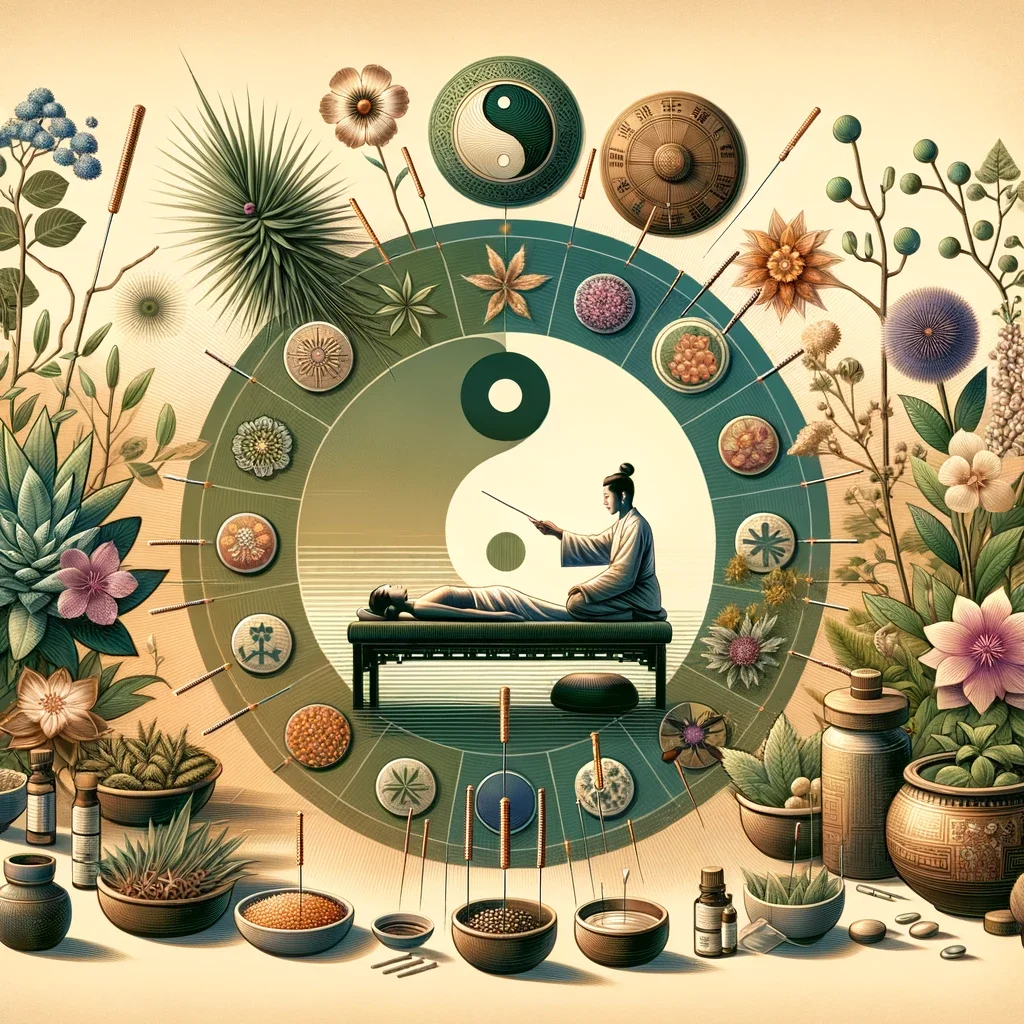
Most people think of needles when the word acupuncture is mentioned. However, there are many other forms of acupuncture where no needles are used, including non-insertive treatments.
Non-insertive acupuncture (also known as needle-free or non-invasive acupuncture) stimulates traditional acupuncture points to promote healing without penetrating the skin. Ideal for needle-shy patients, children, and geriatric care, it relies on gentle pressure, massage, or specialized tools to unblock and regulate the body's energy (Qi)
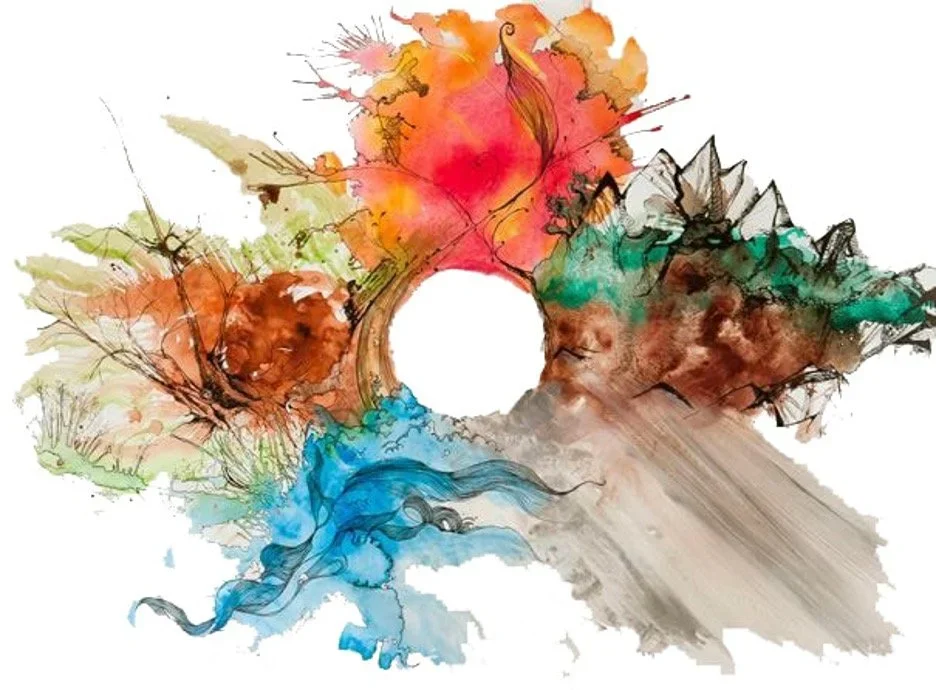
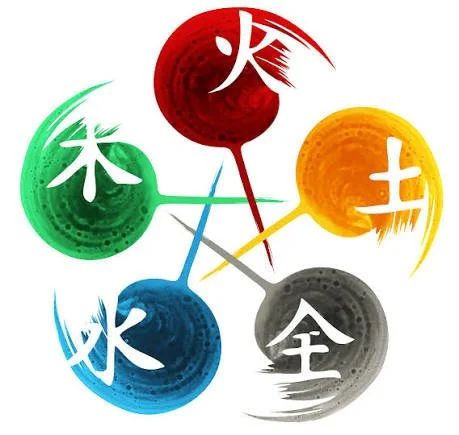
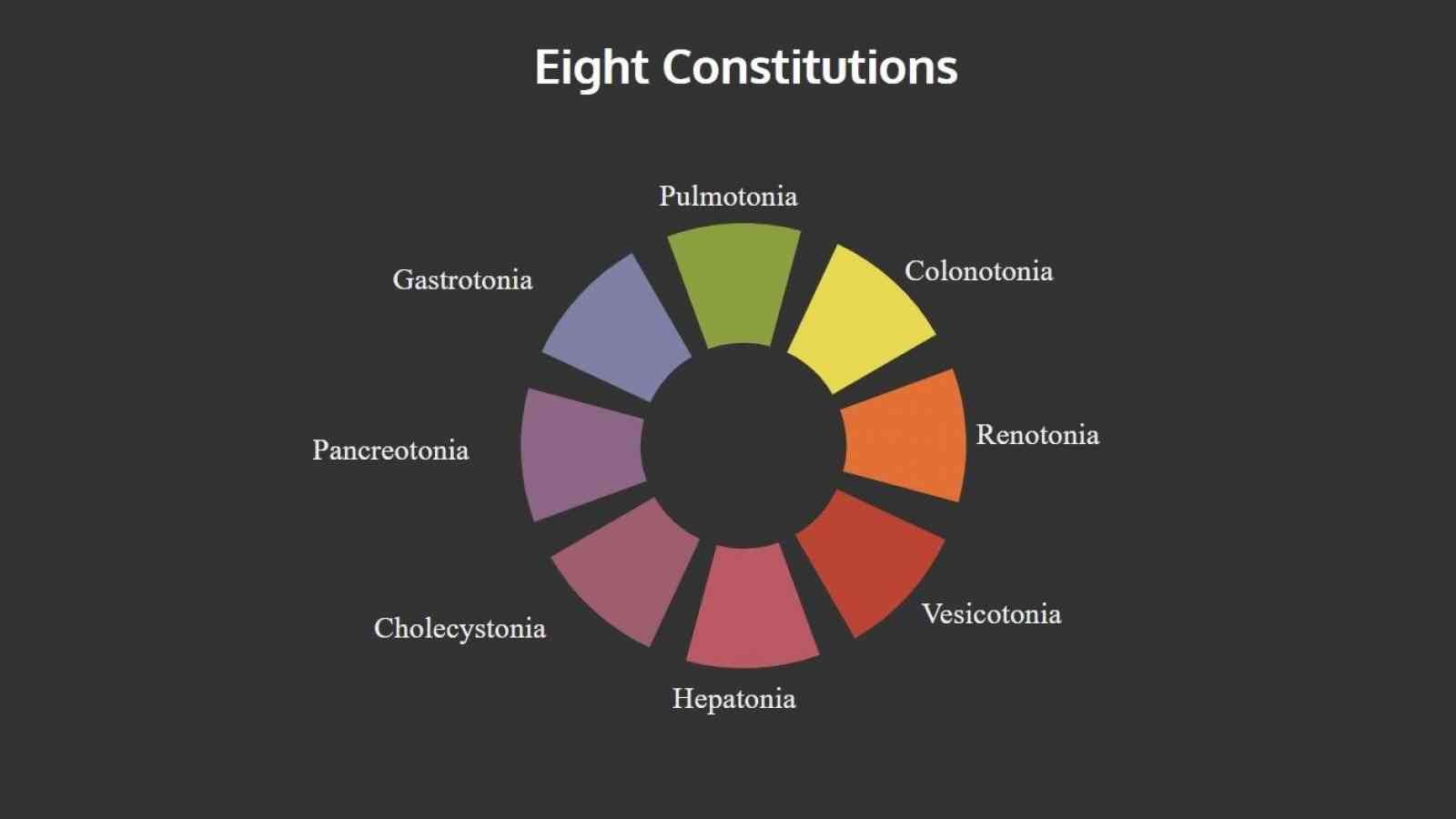
Ancient Oriental medicine provides a framework of asking questions, looking at the tongue, observations of appearance. The answer back of understanding how to interpret the mind/body/emotion/spirit of a person….There’s many way to use tools, dietary advice, herbal formulas, and therapy to bring the Elements of the person more into balance. Having a proper balance of Elements prevents more severe disease expressions that would otherwise arise in the future!

Tui Na
This is a form of hands-on Traditional Chinese Medicine (TCM) that focuses on the “pinch and pull” body massage technique. Tui na is often used to treat superficial injury and musculoskeletal issues. Tui na is a popular treatment for young children and even babies. Tui is renowned for its ability to treat nagging neck pain and migraines.
During Tui Na, the acupuncturist will roll, brush, or knead areas between meridians. These motions will open up the body’s defensive barriers and realign energy with the muscles and joints.
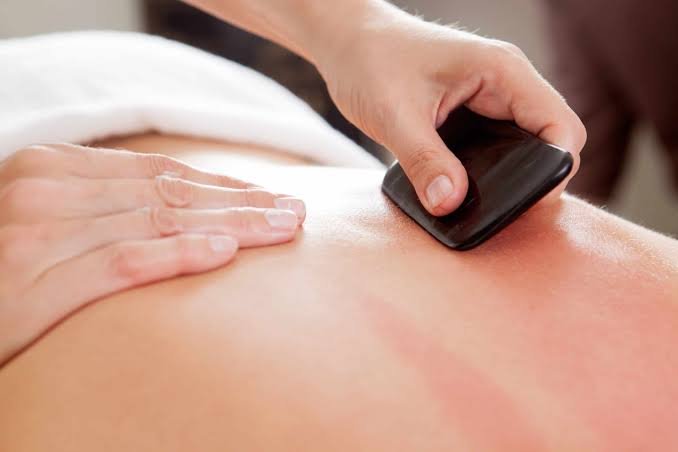
Gua Sha
Gua Sha is also a TCM massage therapy, but it involves a tool called a Gua massage tool. The Gua tool is rubbed down the patient’s body to reduce inflammation and promote chronic pain relief.
When the Gua tool rubs down the body, the unhealthy bodily matter is broken up from deep within sore and stiff muscle tissue. New blood flow is promoted to the affected area, which stimulates oxygenated cellular repair. This therapy results in a reduction of chronic pain and quicker healing to injured areas of the body.
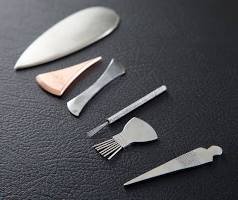
Shonishin Tools Needlefree Acupuncture
It works with the same guiding principles as acupuncture. A therapist will apply pressure to acupoints to move energy along the meridians of our bodies. This act promotes healing and the balancing of the body’s energy.
Acupressure can be taught to patients so that exercises can be performed at home. An example would be sleep acupressure exercises for patients before bed to help relieve anxiety for a good night’s sleep.
Cupping
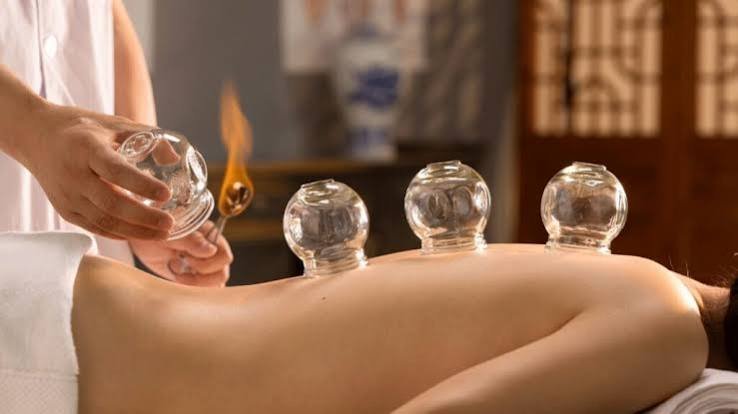
This ancient treatment has been used in Traditional Chinese Medicine for many centuries. Cups create a vacuum seal around acupoints on the patient’s body. The skin rises, and the blood vessels expand, and healing is promoted.
Cupping helps to shift stagnant blood, improve circulation, and move energy throughout the body. Cupping helps with pain, inflammation, and blood flow issues, and it is commonly practiced around the world today.
Indirect moxibustion is a Traditional Chinese Medicine technique that burns dried mugwort (moxa) to warm specific acupuncture points without touching the skin.